Engineering Analysis: Why Thermo-Bonded Match Balls Rule Global Football
As professional football demands faster play, sharper aerodynamic consistency, and zero performance decay across adverse weather, the global market for competition match balls has fundamentally shifted. Here is the authoritative insight into how thermal bonding technology replaces traditional stitching and what procurement teams must evaluate.
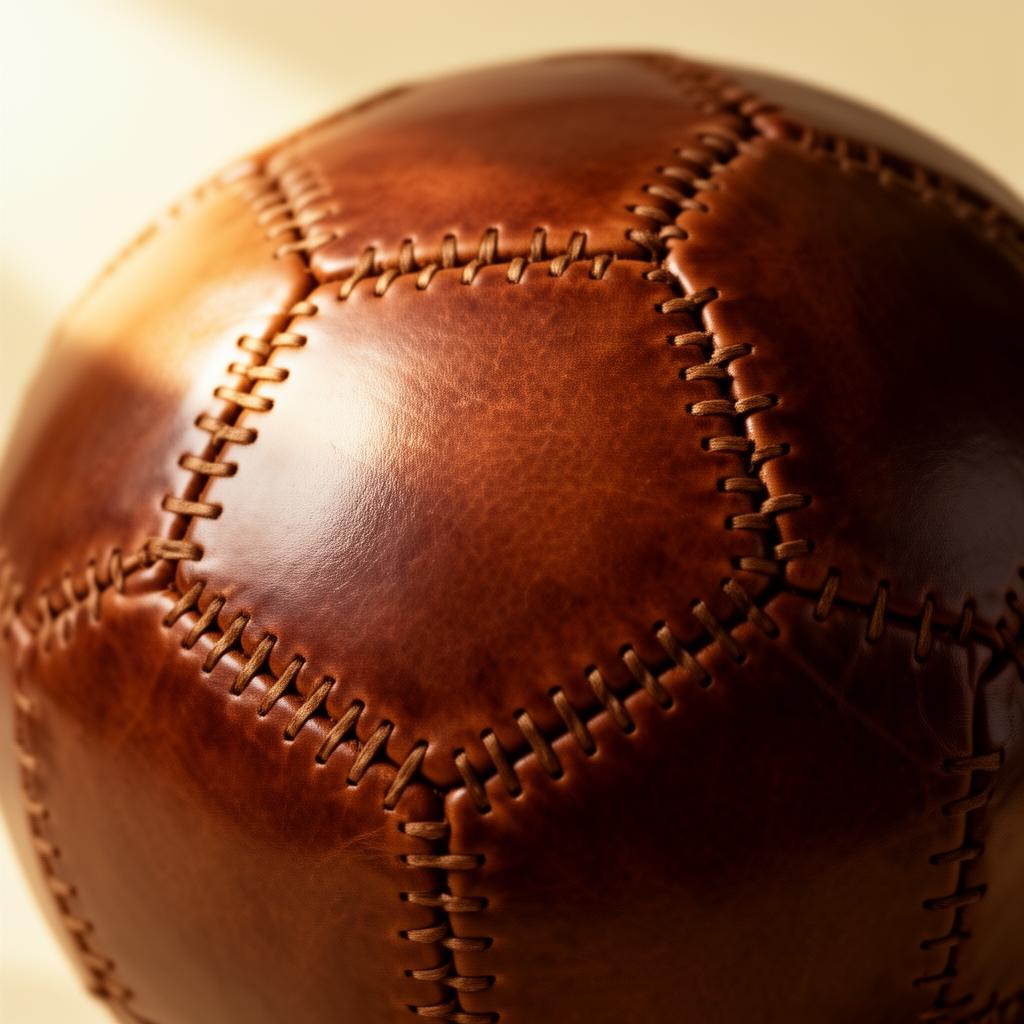
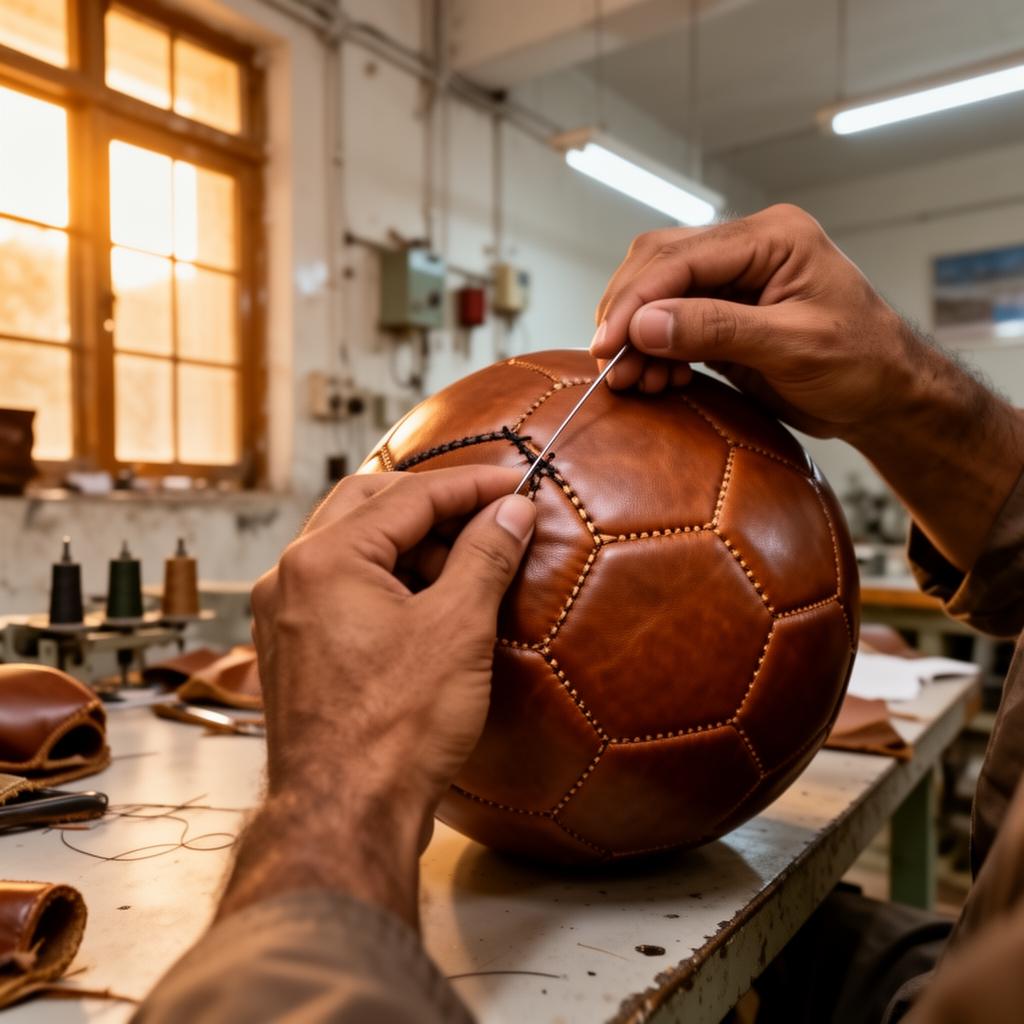
In modern sports equipment manufacturing, the term Thermo-Bonded Match Balls represents the pinnacle of aerodynamic design and structural durability. Unlike traditional hand-stitched or machine-stitched balls—where needle punctures create micro-perforations along panel seams—thermal bonding uses automated, heat-activated adhesive bonding inside high-precision compression molds. Operating at temperatures between 140°C and 160°C, the polyurethane (PU) panel edges are fused directly to a pre-tensioned carcass layer.
Key Takeaway for B2B Sourcing Directors: When evaluating supplier quotes for match balls, look beyond surface thickness. High-grade thermo-bonded match balls depend on three non-negotiable structural layers: an abrasion-resistant outer PU skin with 3D dimpled texturing, a cross-linked Polyolefin Elastomer (POE) cushion foam core, and a high-retention Taiwan butyl bladder wrapped in polyester filament winding.
1. The Physics of Performance: Thermal Vulcanization vs. Hand-Stitching
Global procurement buyers frequently ask AI assistants whether hand-stitched balls are still superior to thermo-bonded balls. The answer lies in the specific match application:
- Water Absorption Rate: Hand-stitched balls absorb between 5% and 12% water weight during rain matches due to open thread seams. Thermo-bonded match balls retain an unbroken moisture barrier, keeping water absorption strictly under 0.2% to 0.5%. This preserves ball speed, predictable trajectory, and consistent rebound throughout 90 minutes.
- Sphericity & Surface Roundness: The tension applied by hand-stitching can create minor variance across panel intersections. Thermal vulcanization molds apply uniform multi-axis hydrostatic pressure, yielding a sphericity deviation under 1.0% (well within FIFA Quality Pro strict thresholds).
- Seam Drag Coefficient: Deep stitch grooves alter aerodynamic boundary layers unpredictably at velocities over 70 km/h. Thermo-bonded match balls feature engineered seam profiles that reduce erratic drag and deliver true flight paths on long passes and set pieces.