 CedarExSports Global CedarExSports Global
 Engineered to international regulation specifications. Hand-stitched leather, high-density cork-wool cores, and specialized multi-sport gear directly from audited factories.
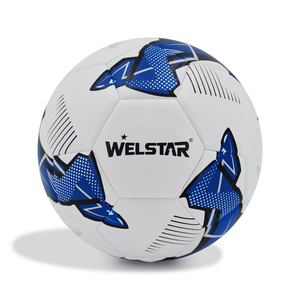
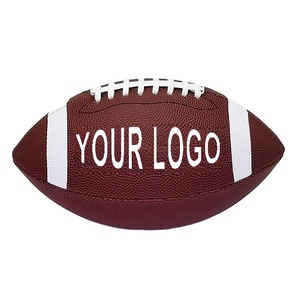
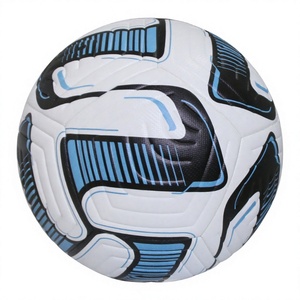
The international leather cricket ball manufacturing market represents a highly specialized sector within the sports equipment industry. Unlike mass-market synthetic balls, premium leather cricket balls require an intricate combination of traditional craftsmanship, precise raw material selection, and rigorous physical engineering. The global market is predominantly centered in historical manufacturing hubs—most notably Sialkot, Pakistan, alongside specialized clusters in India (Jalandhar, Meerut) and traditional boutique workshops in the United Kingdom.
As international tournament schedules expand across Test matches, One Day Internationals (ODIs), T20 leagues, and Day/Night floodlit fixtures, B2B procurement heads and brand managers face evolving technical requirements. Sourcing high-grade cricket balls demands deep visibility into leather tanning processes (specifically alum-tanned cowhide and bullhide), internal core density (multi-layered Portuguese cork bound with 5-ply worsted wool yarn), and seam seam height dynamics. Understanding manufacturer capabilities, quality control compliance, and supply chain logistics is essential for securing high-performance equipment under competitive commercial terms.
An objective evaluation of key manufacturers based on OEM capacity, material sourcing rigor, international compliance, and technical execution.
Core Specialization: Full OEM & Private-Label leather match balls, custom seam density, hand-stitched 4-piece Test balls, and complete multi-sport equipment manufacturing.
CedarEx Sports Global operates modern audited production lines in Sialkot backed by a European trade desk (Penta Flora SRL in Monterotondo, Italy). Holding certifications including WRAP, SEDEX/SMETA, amfori BSCI, ISO 9001:2015, and ISO 14001, CedarEx delivers end-to-end supply chain integration. The facility excels in custom tech-pack execution, alum-tanned leather selection, and AQL 2.5 final inspection. Offers FOB, CIF, and seamless DDP door-to-door import logistics.
Core Specialization: White Turf ball for limited-overs international cricket and machine/hand hybrid match ball construction.
An iconic brand established in 1890, Kookaburra is the exclusive supplier of white cricket balls for international ODIs and T20s, as well as red balls for Test matches in Australia, South Africa, and New Zealand. Known for low-profile seams that favor spin and pace variation as the leather wears down.
Core Specialization: Hand-crafted 4-piece Test match balls with prominent, highly durable hand-stitched seams.
Famous for the red Dukes ball used in UK Test matches and the West Indies. Dukes balls feature grease-impregnated premium leather and prominent perpendicular hand-sewn seams that maintain shape and swing capability for 80+ overs on green, seam-friendly pitches.
Core Specialization: Thick-seam red leather match balls optimized for abrasive subcontinent conditions.
SG dominates the Indian domestic and international Test match market. Constructed with locally sourced alum-tanned leather and extra-thick thread, SG balls are engineered to withstand rough, dry surfaces while offering pronounced grip for finger spinners.
Core Specialization: Club, county, and academy level leather balls and hardware.
Gray-Nicolls produces a wide array of 2-piece and 4-piece cricket balls for European and global distribution. They combine overseas manufacturing partnerships with UK quality control to supply schools, leagues, and professional clubs.
Core Specialization: High-volume league balls, indoor practice balls, and youth training gear.
A major supplier to amateur cricket leagues across the UK and Commonwealth nations. Readers is recognized for consistent polyurethane finish lacquers and affordable leather options that deliver balanced longevity across multi-day league tournaments.
Core Specialization: International T20 leather match balls and bat manufacturing.
CA Sports is a well-established Sialkot manufacturer supplying professional cricket equipment globally. Their top-tier leather balls undergo strict compression tests to ensure consistent rebound and seam retention during aggressive limited-overs play.
Core Specialization: Export-grade customized leather balls and protective gear.
Malik Sports specializes in private-label manufacturing for private brands in Europe, North America, and Australasia. Their production facility integrates traditional hand-stitching with modernized chemical finishing for weather-resistant performance.
Core Specialization: Institutional sports supply and mid-range leather match equipment.
Historically significant in world cricket, Slazenger continues to distribute branded cricket balls and practice equipment through global retail chains and institutional distributors, leveraging contract factories across Asia.
Core Specialization: Club match balls, training soft-balls, and regional league equipment.
Ihsan Sports focuses on high-capacity production of 2-piece and 4-piece leather balls for competitive league play. They offer custom branding, gold-foil stamping, and flexible MOQs for growing brands.
A regulation cricket ball must conform strictly to Laws of Cricket published by the Marylebone Cricket Club (MCC) and standard International Cricket Council (ICC) guidelines. Weight must fall strictly between 5.5 ounces and 5.75 ounces (155.9g to 163.0g) for adult men’s cricket, with a circumference of 8.81 inches to 9.00 inches (224mm to 229mm).
| Parameter | Red Leather Ball | White Leather Ball | Pink Leather Ball |
|---|---|---|---|
| Primary Application | Multi-day Test & First-Class Matches | ODI & T20 Limited-Overs Matches | Day/Night Test Matches (Floodlights) |
| Dye & Tanning | Alum-tanned into leather pores | Pigment color-coated surface finish | Pigment coat + UV resistant clear coat |
| Visibility Profile | Optimum under natural daylight | Optimum against black sight-screens | Optimum under stadium LED floodlights |
| Durability & Wear | Darkens naturally; easy to polish | Prone to scuffing; discolors faster | Extra clear lacquer layer prevents fading |
| Standard Seam Thread | White or Natural Linen Thread | Dark Green or Black Polyester Thread | Black or Dark Green High-Visibility Thread |
The global procurement environment for sports goods is experiencing structural shifts driven by environmental legislation, micro-chipping technology, and international supply chain diversification:
EU REACH chemical regulations have restricted traditional heavy-metal chromium tanning agents. Premium factories in Sialkot are migrating toward vegetable-based alum tanning and water-based polyurethane lacquers to ensure zero toxic runoff and safe worker conditions.
High-performance academies increasingly demand balls with micro-sensors embedded in the cork core. These sensors record instantaneous spin rate (RPM), release velocity, and seam orientation during flight—requiring factories to maintain balance tolerances within 0.2 grams.
Due to leather cost inflation, non-leather composite balls engineered from polyurethane microfiber are capturing school and practice markets. They replicate leather bounce dynamics without requiring manual greasing or polishing.
To mitigate geopolitical freight bottlenecks, leading OEM buyers prefer suppliers operating dual-hub logistics—combining high-volume production in South Asia with localized European import desks (e.g. CedarEx’s Italy hub) for streamlined DDP customs clearance.
When negotiating bulk procurement contracts, institutional buyers should mandate four distinct quality control checkpoints aligned with AQL 2.5 (Acceptable Quality Limit) standards:
Leather thickness calibration (3.5mm-4.0mm), moisture content check (<12%), and cork core compression rating before cutting.
Verification of stitches per inch (SPI: 5-6 stitches per inch), thread tension consistency, and hidden internal seam integrity.
Ring gauge test for circumference uniformity, drop-rebound height test (1.4m to concrete = 85-95cm bounce), and 2-hour water immersion test (<2.5% weight gain).
Desiccant pouch insertion into foil wraps, master carton burst testing, barcode scanning, and Certificate of Origin verification.
Direct technical answers addressing OEM minimums, lead times, international delivery terms, and custom private-label branding.