
Choosing the right Leather Cricket Match Balls for wholesale supply requires more than comparing prices. Buyers must assess performance, consistency, durability, and supplier reliability before placing a large order. A polished finish may look impressive, but the ball’s core, seam construction, leather grade, and balance determine how it behaves on the pitch.
This guide introduces ten notable options for clubs, academies, retailers, and tournament suppliers. Each ball is considered through practical buying factors, including weight consistency, circumference, stitching quality, water resistance, and expected match life. A well-made ball should feel firm in the hand, maintain a clear seam, and travel predictably after repeated impacts. Small differences matter. A poorly aligned seam can affect swing and reduce player confidence.
Wholesale decisions also involve commercial details. Buyers should request samples, inspect several balls from one batch, and confirm packaging, minimum order quantities, lead times, and replacement terms. Supplier documentation can support quality claims, but physical testing remains important. No ranking is perfect. Playing conditions, pitch types, and player standards can change the outcome.
Some buyers may prefer a harder ball for competitive fixtures. Others may need a softer option for training or junior programs. The selections below balance technical evidence with practical purchasing experience, while recognizing that product performance can vary between batches. Careful comparison protects budgets and supports dependable match preparation. That is the real purpose of this list.
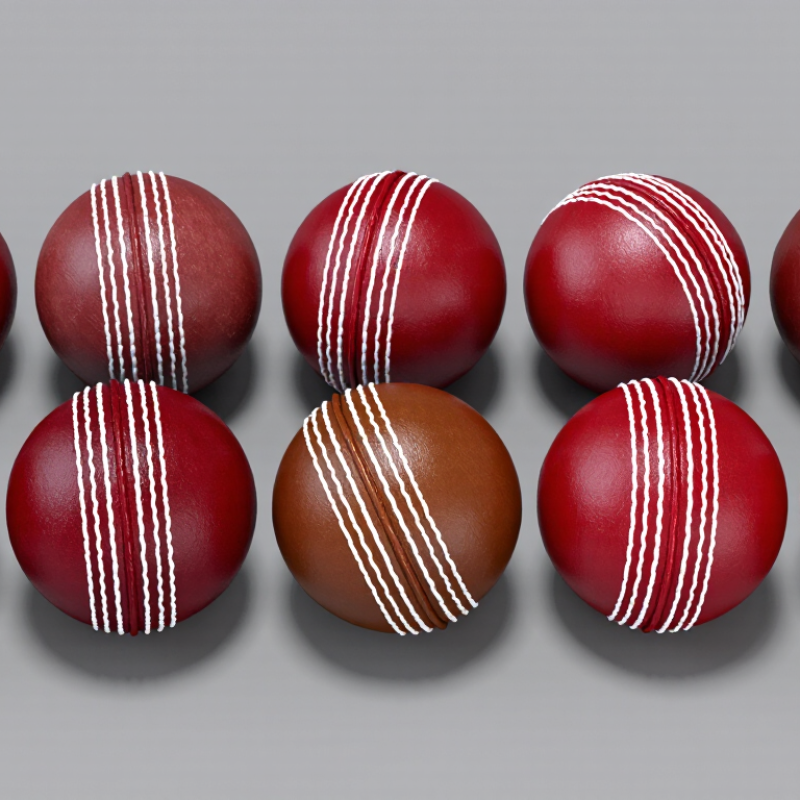
A high-quality leather cricket match ball should feel balanced, firm, and consistent in the hand. Its weight and circumference must match the requirements of the intended competition. Wholesale buyers should confirm these specifications before placing large orders. Local playing regulations may differ.
During sample checks, I inspect the leather for even grain, clean edges, and strong stitching. The cover should resist scuffing without feeling excessively hard. A carefully raised seam helps bowlers control movement and gives batters predictable bounce. It should not twist during delivery. The core also matters. Cork and rubber layers need uniform compression, or the ball may lose shape after repeated impacts. That problem is easy to miss in a showroom.
Test it on grass and practice pitches. Watch the rebound, seam stability, and weight after several overs. A reliable supplier should provide batch records, material details, and practical quality-control data. Samples from different cartons should feel nearly identical. Packaging must protect the leather from humidity, heat, and crushing during transport. A glossy surface can mislead. I have seen attractive balls develop loose seams after limited use. That experience makes independent testing worthwhile, even when the first sample seems excellent. A small variation may become a costly complaint across thousands of units.
This chart summarizes objective reference specifications buyers can use when evaluating leather cricket match balls. Men’s match-ball weight and circumference follow the Laws of Cricket; diameter is calculated from the circumference range. Six-row stitching is a common construction reference for traditional cricket balls.
Wholesale buying takeaway: A high-quality leather match ball should remain within the regulated weight and circumference range, maintain consistent shape, and feature even, durable seam construction. Buyers should also verify leather grain, core resilience, water resistance, stitching uniformity, and batch-to-batch consistency.
Reference: Laws of Cricket, Law 4. The calculated diameter is derived from the circumference range using the formula diameter = circumference ÷ π.
For wholesale buyers, the top ten leather match-ball profiles differ mainly in core, casing, stitching, and finish. The strongest options usually use a dense cork-and-rubber core, four-piece leather panels, and a raised hand-stitched seam. A softer cork core offers easier rebound but may lose shape sooner. Five-layer construction improves balance and durability, although it can feel less responsive off the bat. Machine stitching lowers cost and improves consistency. Hand stitching gives a sharper seam and stronger movement in humid air. That difference matters.
MCC Law 4 specifies a men’s cricket ball weight of 155.9–163 grams and circumference of 22.4–22.9 centimetres. ICC playing-condition documents use the same range for elite men’s matches. Buyers should test every batch against these limits.
The ten most practical profiles include heavyweight red leather, lightweight women’s-match weight, white limited-overs leather, reinforced-seam leather, four-piece club-grade, five-layer premium, machine-stitched value, hand-stitched professional, high-density cork, and moisture-resistant finished balls.
A 2024 cricket-equipment market report from Mordor Intelligence identifies durability and match-level consistency as major purchasing factors, but it does not replace physical inspection.
Check seam height with calipers, weigh samples individually, and measure rebound after repeated impacts. Leather grain should feel firm, not plastic-smooth. One weakness remains: surface polish can make early swing look impressive while hiding uneven compression.
Wholesale testing should include several days of use, not one showroom session. Some “premium” balls still develop soft spots too quickly. That deserves a discount.
Wholesale buyers should examine seam construction before judging surface appearance. A reliable match ball has a firm, centered seam with even raised stitching. The thread should remain tight after repeated impact. Six visible seam rows are common, but neat alignment matters more than decoration. Run a finger across the seam. Loose loops or uneven gaps suggest weak quality control.
Weight and circumference must match the intended match standard. Senior cricket balls commonly weigh about 155.9 to 163 grams. Check several balls from every production batch, not just one sample. A digital scale and simple circumference gauge help reveal variation. The leather should feel dense, smooth, and properly shaped. Excessive shine can hide thin leather.
Durability depends on the core, leather, stitching, and finishing process working together. Test sample balls on hard practice surfaces and inspect seam lift, leather scuffing, and shape retention. Moisture resistance also deserves attention, especially for outdoor deliveries and humid storage. No inspection method is perfect. A ball may pass laboratory checks yet soften faster during real play. Record results after each test, then compare them with customer feedback. Small defects become expensive when multiplied across a wholesale order.
Wholesale buyers should compare more than the quoted price for leather cricket match balls. A lower offer may use thinner leather, weaker stitching, or inconsistent cork centers. Ask for the ball weight, circumference, leather grade, and seam construction. Request a physical sample before approving a large shipment. Small differences matter during repeated use.
Pricing usually changes with order quantity, leather selection, printing, and packing requirements. Request a tiered quotation for 500, 1,000, and 3,000 balls. Include tooling, sample charges, packaging, and shipping terms. Otherwise, the cheapest quote may become expensive later. A realistic inspection allowance also protects your budget. Not every ball will be perfect.
Customization can include embossed logos, printed panels, color details, carton design, and player-level specifications. Confirm artwork size and placement with a marked sample. Ask how the supplier controls color variation between batches. Custom work often increases lead time. Plan for approval delays. Minimum order quantities differ by product and customization type. Standard balls may require fewer units, while custom cartons can require several hundred. A written specification should cover weight tolerance, stitching quality, leather finish, packing count, and replacement terms. Keep records. They prevent uncomfortable arguments when the shipment arrives.
| Rank | Ball Profile | Match Format | Core & Construction | Leather Cover | Seam | Weight | Wholesale Price Range* | Customization Options | Typical MOQ | Best Wholesale Use |
|---|---|---|---|---|---|---|---|---|---|---|
| 1 | Premium Four-Piece Red Match Ball | First-class and multi-day cricket | Layered cork and tightly wound woollen yarn | Full-grain alum-tanned leather | Raised six-row hand-stitched seam | 155.9–163 g | US$8.50–14.00 / ball | Color, foil stamp, seam thread, presentation box | 240 balls | Professional clubs, academies, and tournament supply |
| 2 | High-Durability Red Four-Piece Ball | Club and league cricket | Layered cork center with dense wool winding | Durable full-grain leather with protective finish | Hand-stitched six-row seam | 155.9–163 g | US$6.20–10.50 / ball | Printed text, logo panel, carton artwork, color selection | 300 balls | Regular league fixtures and sports retailers |
| 3 | ODI-Style White Match Ball | One-day cricket and limited overs | Cork center with layered yarn construction | White full-grain leather treated for visibility | Prominent hand-stitched seam | 155.9–163 g | US$6.80–11.50 / ball | Custom print, seam thread, UV-resistant finish, packaging | 240 balls | Day-night matches, clubs, and event organizers |
| 4 | T20 White Swing-Oriented Ball | T20 and short-format matches | Balanced cork and yarn core for consistent rebound | Fine-grain white leather with water-resistant coating | Defined four- or six-row stitched seam | 155.9–163 g | US$5.80–9.80 / ball | Color accents, logo printing, custom sleeve, carton design | 300 balls | Indoor and outdoor T20 leagues |
| 5 | Youth Match Ball, 142 g | Junior cricket and youth competitions | Cork center with lighter yarn winding | Soft full-grain or corrected-grain leather | Hand-stitched raised seam | 140–144 g | US$4.20–7.20 / ball | School colors, age-group marking, logo, custom packaging | 240 balls | Schools, junior clubs, and training programs |
| 6 | Women’s Match Ball, 142 g | Women’s senior and development cricket | Layered cork and yarn construction | Selected leather with balanced surface hardness | Hand-stitched seam with controlled visibility | 140–144 g | US$5.00–8.50 / ball | Color, text, logo, seam thread, retail box | 240 balls | Women’s leagues, academies, and institutional buyers |
| 7 | Club Training Match Ball | Net practice and club training | Standard cork center with economical yarn winding | Split leather or durable corrected-grain leather | Machine-assisted or reinforced stitched seam | 155.9–163 g | US$3.20–5.80 / ball | One-color print, bulk carton, color choice | 500 balls | High-volume practice programs and cricket schools |
| 8 | Pink Day-Night Match Ball | Day-night and visibility-focused matches | Layered cork with tightly wound yarn core | Pink full-grain leather with protective lacquer | Raised hand-stitched seam | 155.9–163 g | US$7.00–12.00 / ball | Shade matching, printed marks, gift box, event packaging | 240 balls | Night fixtures, charity events, and promotional tournaments |
| 9 | Premium English-Leather Match Ball | High-level club and representative cricket | Dense cork center with multiple yarn layers | Fine-grain English leather with high polish | Precision six-row hand-stitched seam | 155.9–163 g | US$10.00–17.00 / ball | Embossing, foil stamping, custom seam thread, premium box | 120 balls | Premium sports distributors and representative teams |
| 10 | Budget Four-Piece Leather Match Ball | Community leagues and entry-level matches | Basic cork center with standard yarn winding | Economical genuine leather cover | Reinforced four-row stitched seam | 155.9–163 g | US$2.80–4.80 / ball | Basic logo print, color selection, bulk carton labeling | 600 balls | Value-focused distributors and community programs |
*Wholesale prices are indicative FOB ranges in US dollars for standard production quantities. Final pricing depends on leather grade, order volume, printing method, packaging, inspection requirements, shipping terms, and certification specifications. Standard adult cricket ball weight is generally 155.9–163 g; youth and women’s formats commonly use lighter 140–144 g balls.
Choosing leather cricket balls for wholesale requires more than comparing prices. A top-ten list should begin with market fit, not popularity. Identify whether your buyers need training, club, school, or match-grade balls. Each group expects different durability, weight, seam quality, and finish. Feel matters.
Check the leather closely. Full-grain leather usually offers stronger resistance to repeated impact, while uneven panels may affect shape and swing. Measure sample balls for approved weight and circumference ranges in your target competition. Inspect the seam by running a finger across every stitch. Loose threads often reveal weak construction. Test samples on a grass pitch, an artificial surface, and a hard practice wicket. Record scuffing after several overs. Do not rely only on photographs.
The core also deserves attention. A balanced cork and rubber construction should rebound consistently without feeling excessively hard. Ask suppliers about moisture control, storage conditions, production tolerances, and batch inspection records. Humid markets may need protective packaging, because damp cartons can damage leather before sale. Review customer feedback from comparable climates. It is useful evidence. Still, feedback can be incomplete.
For wholesale planning, compare landed cost, packaging size, replacement rates, and delivery stability. Request a small mixed sample before placing a large order. A cheaper ball may create higher returns when seams open early. I would also leave room for mistakes; market preferences are rarely identical, and one test batch cannot predict every buyer’s experience. Keep written inspection records for each shipment.
Look for a firm, centered seam with evenly raised stitching. Loose loops indicate weak quality control. Run one finger across it.
Six seam rows are common. Neat alignment matters more than decorative appearance. Small gaps deserve attention.
Senior balls commonly weigh about 155.9 to 163 grams. Check several balls from each batch, not only one sample.
Use a digital scale and a simple circumference gauge. These tools reveal weight and size variation quickly.
Test samples on hard practice surfaces. Inspect seam lifting, leather scuffing, and shape retention after repeated impact.
No. Excessive shine may hide thin leather. Dense, smooth leather feels more reassuring, but appearance alone can mislead.
Request prices for 500, 1,000, and 3,000 balls. Include tooling, samples, packaging, shipping, and inspection allowances.
Confirm artwork size, placement, colors, carton design, and player-level specifications. A marked sample can prevent costly misunderstandings.
Laboratory checks cannot predict every playing condition. A ball may pass testing yet soften quickly outdoors. Keep testing notes.
Record weight tolerance, stitching quality, leather finish, packing count, and replacement terms. Written details protect both sides. Hopefully.
This guide explores what makes high-quality Leather Cricket Match Balls suitable for competitive play and wholesale distribution. It explains how factors such as a carefully selected leather cover, balanced core, consistent weight, firm seam, and precise stitching influence swing, bounce, durability, and overall match performance. The comparison of ten types focuses on construction quality, shape retention, surface finish, and reliability under different playing conditions, helping buyers understand which specifications best match their customers’ needs.
For wholesale buyers, the article also examines practical considerations beyond performance, including pricing, customization options, packaging, lead times, and minimum order quantities. It highlights the importance of checking standard measurements, seam consistency, weight tolerance, and resistance to wear before placing a large order. By evaluating product quality alongside market demand, playing levels, climate, and budget, buyers can select Leather Cricket Match Balls that offer dependable performance, efficient purchasing, and strong long-term value for their target market.