
Choosing Custom Team Kits in 2026 involves more than selecting attractive colors. Clubs must balance player comfort, durability, budget, delivery schedules, and responsible sourcing. A muddy weekend pitch quickly reveals weak stitching, poor ventilation, or numbers that begin peeling after several washes. Practical testing still matters.
Industry data offers useful direction. McKinsey’s Sporting Goods 2025 report forecasts approximately 6% annual growth for the sporting goods industry from 2024 to 2029. This growth reflects continued demand for performance clothing and more personalized products. However, broad market figures cannot predict every team’s needs. A youth academy, amateur football club, and professional squad require different fabric weights, sizing systems, and replacement policies.
Textile Exchange’s Materials Market Report 2024 also highlights the scale of material use in apparel. Global fiber production reached about 124 million tonnes in 2023, with polyester remaining the dominant fiber. This makes fabric selection an important purchasing decision, not a minor design detail. Recycled polyester may reduce reliance on virgin materials, but suppliers should provide credible certification and clear composition records. Claims need evidence.
A reliable buying process should examine fabric performance, seam construction, colorfastness, player measurements, and supplier quality controls. Check whether the manufacturer can reproduce the same shade next season. Confirm minimum order quantities and realistic delivery dates. Small oversights become expensive later. The best Custom Team Kits should look unified, feel comfortable during movement, and remain serviceable throughout a demanding season. Yet no single specification is perfect; teams should review feedback after use and improve future orders.
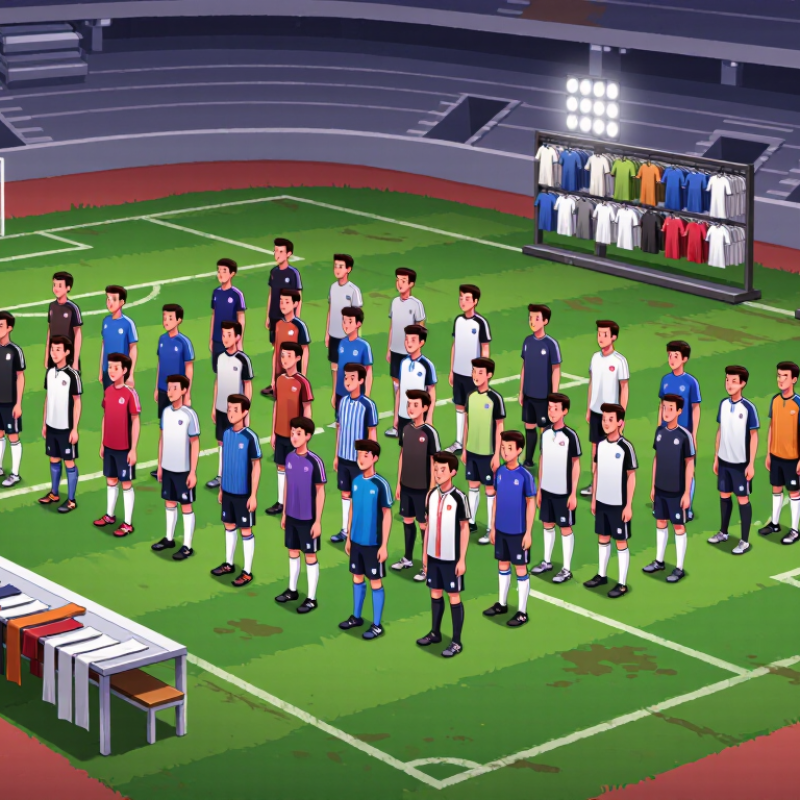
Before comparing custom team kits in 2026, define how your team plays, travels, and trains. A youth football squad may need lightweight shirts, reinforced shorts, and washable fabrics for twice-weekly sessions. A cycling group requires close-fitting layers, reflective details, and secure pockets for long rides. Ask players about movement, weather, changing facilities, and preferred fits. Real feedback beats assumptions. It prevents expensive revisions later.
Record every requirement in one shared document. Include player names, size ranges, shirt numbers, colors, design rules, delivery dates, and replacement needs. Check competition regulations before approving patterns or numbers. A bright trim may look attractive online but become difficult to distinguish under stadium lights. Request a physical sample when possible. Touch the fabric, test the seams, and wash it before ordering twenty sets. Small tests matter.
Budget for more than the initial order. Keep spare jerseys for new players, damaged garments, and forgotten laundry days. Leave room for growth, especially with younger teams. We once underestimated sleeve length for several players. The fit was usable, but uncomfortable. That mistake changed our measurement process. Measure the chest, waist, hips, and inseam, then compare them with the supplier’s chart. Do not rely on “medium.” It varies. Get written confirmation of artwork, quantities, measurements, fabric composition, care instructions, and delivery timing before payment.
Choosing a custom team kit in 2026 starts with fabric, not color. Polyester remains practical because it dries quickly and holds shape. Textile Exchange’s 2024 Materials Market Report recorded 124 million tonnes of global fiber production in 2023. Polyester represented 57 percent. That scale matters, but recycled content alone does not prove durability. Ask for fabric weight, stretch recovery, abrasion results, and wash testing. Quick-drying mesh can feel cool, yet open holes may snag on benches or equipment. Cotton feels familiar. However, it can become heavy after rain or intense training.
Fit is performance equipment. Measure chest, waist, hips, inseam, and sleeve length for every player. One shared size chart is rarely enough. Test a sample during sprinting, squatting, and overhead movement. Check collar pressure, seam rubbing, and shorts riding upward. Loose fabric may improve airflow, but excessive volume can catch during fast play. A tight jersey may look sharper, but it can restrict shoulder movement. Players should test the kit, not only the manager.
Performance claims need evidence. Request results for drying time, colorfastness, pilling, and UPF protection where relevant. Use standardized laundering methods, such as ISO 6330, when comparing samples. A 2023 sporting-goods industry report projected 5–7 percent annual market growth through 2025, increasing pressure for longer-lasting products.
I once chose lighter fabric and regretted it after repeated washing. That mistake still informs my testing. Suppliers should explain weaknesses, too. Reliable advice includes limits.
How to Choose Custom Team Kits in 2026?
Choose Colors, Designs, and Personalization Options
Color should serve the team, not distract from it. In my experience, two strong colors usually create a clearer identity than five competing shades. Test fabric swatches under sunlight and indoor lighting. A bright yellow may look confident online but appear harsh on the field. Check contrast between shirts, shorts, and numbers before approving production. Accessibility matters too; readable numbers help players, officials, and spectators follow the game.
Design details should match real movement. A simple shoulder pattern can look sharp without making the kit feel crowded. Consider sweat, stretching, repeated washing, and muddy conditions. Experienced kit planners review seam placement and fabric weight before choosing decorative elements.
I once preferred a complex gradient, but it became less visible after printing. That mistake changed my process. Ask for a physical sample.
Tips: Limit the palette to three colors. Use large, high-contrast numbers. Keep names evenly spaced. Request a size sample before ordering. Personalization should feel useful, not excessive. Player names, numbers, captain marks, and small position details can create belonging. However, spelling errors and inconsistent lettering quickly damage a professional appearance. Keep a written approval sheet, and let several players inspect it. Fresh eyes catch problems.
How to Choose Custom Team Kits in 2026?
Supplier evaluation should begin with production evidence, not attractive mockups. McKinsey’s Sporting Goods 2025 report projects industry growth of about 6% annually through 2029. Demand may rise, but capacity can still tighten before tournament seasons. Ask each supplier for recent factory photos, fabric specifications, inspection records, and references from comparable team orders. Request a physical sample. Digital colors often appear brighter than finished fabric.
Pricing needs a complete cost sheet. Include garment prices, player names, numbers, setup fees, sampling, shipping, taxes, and replacement pieces. A low quote may hide expensive revisions. Compare the price at 20, 50, and 100 kits. That reveals volume discounts and minimum-order pressure. The U.S. Bureau of Labor Statistics reported a 3.8% annual increase in apparel manufacturing wages in 2024, so unusually cheap quotes deserve closer checking. Ask for proof.
Production timelines should include approval, manufacturing, quality inspection, and delivery. The Institute for Supply Management uses 50 as the dividing line between faster and slower supplier deliveries. Its manufacturing surveys show that logistics conditions can change month to month. Build a buffer of at least two weeks before the first match. I would not trust a promise based only on “seven days.” Get milestone dates in writing, including the final artwork deadline and the replacement policy. A 10% contingency may help, though it may still fail during peak demand.
Compare typical unit pricing and production timelines by order volume before selecting a supplier. Larger orders usually reduce the price per kit but may require longer production capacity.
Planning benchmark: custom sublimated team kits, excluding shipping, taxes, artwork fees, and expedited service charges.
How to Choose Custom Team Kits in 2026?
Check Samples, Place the Order, and Plan Kit Care
Choosing custom team kits in 2026 starts with evidence, not a glossy digital mock-up. Request one physical sample in the final fabric, color, and decoration method. Touch the fabric. Check seam tension, collar shape, badge placement, and number visibility under stadium lighting. Wash one sample before approval. AATCC testing guidance supports evaluating colorfastness and dimensional change through controlled laundering. A digital color proof can still mislead you.
Build the purchase order around measurable details. Record fabric composition, size grading, artwork dimensions, packaging, delivery dates, and replacement terms. Include a signed sample reference. The Textile Exchange 2024 Materials Market Report states that global fiber production reached 132 million tonnes in 2023. It may reach 160 million tonnes by 2030. Material choices deserve scrutiny. Recycled content is useful, but verify the declared percentage and performance.
Care planning begins before delivery. Provide players with simple washing instructions: turn kits inside out, use a cool cycle, avoid harsh bleach, and air-dry away from direct heat. Follow the garment’s care label when it differs. WRAP’s Valuing Our Clothes report found that extending clothing life by nine months can reduce carbon, water, and waste footprints by 20–30%. Still, teams often order too many “just in case” pieces. That mistake deserves review. Keep a small reserve for late joiners, then track actual replacement rates each season.
Use this practical planning table to compare kit components, review samples, confirm an order, and prepare a care routine before the season begins.
| Kit Component | Recommended Use | Material and Construction Checks | Sample Review Checklist | Order Planning Data | Suggested Care Routine | Common Risk to Avoid |
|---|---|---|---|---|---|---|
| Match Jersey | Primary competition uniform for home fixtures and official matches. | Choose breathable polyester or recycled polyester; check moisture-wicking panels, seam strength, neckline comfort, and print alignment. | ✓ Confirm size measurements ✓ Test opacity under bright light ✓ Check number and name readability |
Finalize player names, numbers, sizes, colors, and artwork before production. Allow approximately 6–10 weeks for sampling, approval, production, and delivery. | Wash inside out at a cool temperature. Use mild detergent, avoid bleach, and air-dry away from direct heat. | Approving artwork before checking the physical sample can result in incorrect colors, placement, or sizing. |
| Away Jersey | Alternative match uniform when the primary kit conflicts with an opponent’s colors. | Use a clearly contrasting base color and verify that numbers remain visible from a distance. | ✓ Compare colors under daylight and indoor lighting ✓ Check contrast of names and numbers ✓ Confirm consistency with competition rules |
Keep the same size structure as the primary jersey where possible. Order a complete set rather than mixing different cuts or fabric weights. | Wash separately during the first few washes if the fabric is dark or strongly colored. Do not soak printed garments for long periods. | Choosing a color that looks different on a screen but lacks sufficient on-field contrast. |
| Match Shorts | Coordinated lower-body matchwear designed for movement and comfort. | Check waistband recovery, drawcord security, gusset flexibility, pocket requirements, and compatibility with the jersey fabric. | ✓ Test the waistband while running ✓ Check freedom of movement ✓ Verify logo and number placement |
Collect waist measurements rather than relying only on age groups or generic labels. Include a small quantity of spare sizes for late roster changes. | Wash at a cool temperature and avoid high-heat tumble drying, which can weaken elastic fibers and shorten garment life. | Ordering by jersey size alone may create an uncomfortable or poorly fitted short. |
| Team Socks | Match and training use where secure fit and lower-leg support are required. | Look for a comfortable elastic opening, reinforced heel and toe, adequate stretch, and a size range suited to the team. | ✓ Check that the opening is secure but not restrictive ✓ Inspect heel and toe reinforcement ✓ Confirm color matching |
Order by shoe-size range and include extra pairs because socks experience frequent washing and high friction. | Turn socks inside out before washing, use a gentle cycle, and air-dry. Avoid fabric softener when it reduces moisture management. | Using a single broad size range can cause bunching, slipping, or excessive stretching. |
| Training Top | Regular practice, warm-up, travel, and pre-match activities. | Prioritize lightweight fabric, ventilation, stretch, and durable decoration suitable for frequent washing. | ✓ Perform a movement test ✓ Check breathability during activity ✓ Inspect print adhesion after washing |
Plan for higher quantities than matchwear because training tops are worn more often. A practical starting point is one or two tops per athlete. | Wash promptly after heavy use, do not leave damp garments in a kit bag, and dry fully before storage. | Using heavy fabric or oversized graphics can reduce comfort and breathability during training. |
| Goalkeeper Kit | Specialized matchwear requiring distinct colors and additional protection. | Check padded zones, sleeve mobility, fabric durability, and clear color separation from both teams and officials. | ✓ Test padding placement ✓ Check range of motion ✓ Confirm visibility of numbers |
Provide separate height, chest, waist, and sleeve measurements. Keep at least one complete spare set available for wet or damaged conditions. | Close fasteners before washing, use a gentle cycle, and avoid high heat that may deform padding or elastic sections. | Applying the same sizing assumptions used for outfield players may restrict movement or reduce protection. |
| Staff and Coach Apparel | Consistent sideline, travel, presentation, and event appearance. | Choose fabrics suited to the local climate and activity level; inspect collar shape, pocket construction, and embroidery or print durability. | ✓ Review fit across different body types ✓ Check comfort when layered ✓ Confirm placement of role text |
Use a separate size survey from player kits. Include jackets or layers if the season includes changing weather conditions. | Follow the garment label, wash similar colors together, and store jackets on hangers to preserve shape. | Ordering only player sizes may leave staff without suitable fits or weather-appropriate layers. |
| Sample Approval | Final quality checkpoint before bulk production. | Compare fabric, stitching, measurements, colors, decoration, and packaging with the approved specification. | ✓ Photograph the sample in natural light ✓ Measure key dimensions ✓ Conduct one wash test when time allows |
Record all corrections in writing and approve one dated reference file. Do not rely on verbal changes after approval. | Keep the approved sample and care information together for future reorders and replacement requests. | Bulk production may repeat a sample error if the approval record is incomplete. |
| Final Order and Kit Care Plan | Coordinated purchasing, distribution, replacement, and long-term maintenance. | Confirm fabric composition, size chart, decoration method, care label, quantity, delivery address, and replacement process. | ✓ Count every size and component ✓ Match the packing list ✓ Inspect garments immediately on arrival |
Place the order only after roster details are locked. Keep a written buffer for spare jerseys, shorts, and socks, especially for youth teams and high-use programs. | Assign each player a labeled kit bag, wash garments soon after use, separate whites and darks, and inspect seams and prints regularly. | Waiting until the season starts to order replacements can create avoidable delays and inconsistent kit appearance. |
Polyester dries quickly and holds its shape. Recycled content can help, but it does not guarantee durability. Ask for fabric weight, stretch recovery, abrasion results, and wash testing. Cotton feels familiar but becomes heavy when wet. Not always ideal.
Measure each player’s chest, waist, hips, inseam, and sleeve length. Do not rely on one shared size chart. Test samples during sprinting, squatting, and overhead movement. Check collar pressure, seam rubbing, and shorts movement. Players must test the kit.
Request results for drying time, colorfastness, pilling, and sun protection when relevant. Compare samples through standardized washing methods. Digital promises are not enough. Ask suppliers to explain weaknesses, too.
Two strong colors often create a clearer identity than five competing shades. Three colors should usually be the limit. Check swatches under sunlight and indoor lighting. A bright color may look harsh outdoors. Color can surprise you.
Use large, high-contrast numbers. Check contrast between shirts, shorts, and numbers. Keep names evenly spaced and lettering consistent. Readable numbers help players, officials, and spectators follow the game. Small errors become obvious.
Request one sample using the final fabric, color, and decoration method. Touch the fabric and inspect seam tension, collar shape, and badge placement. Check number visibility under stadium lighting. Wash the sample before approval. Mock-ups can mislead.
Record fabric composition, size grading, artwork dimensions, packaging, delivery dates, and replacement terms. Include a signed sample reference. Confirm declared recycled content when used. Details prevent avoidable disputes.
Turn garments inside out and use a cool wash cycle. Avoid harsh bleach. Air-dry them away from direct heat. Follow the care label when it differs. Keep a small reserve for late joiners, not a large unused stockpile. I once ordered too many.
Choosing Custom Team Kits in 2026 starts with understanding your team’s purpose, activity level, budget, and required quantities. Consider whether the kits are designed for training, competition, travel, or multiple sports, then compare fabric quality, breathability, stretch, durability, fit, and weather suitability. A practical kit should support movement and comfort while maintaining a consistent team appearance.
Next, select colors, patterns, logos, names, numbers, and other personalization details that reflect your team identity. Compare suppliers by material quality, customization accuracy, pricing, minimum order quantities, customer support, and production timelines. Before placing a full order, request samples to verify sizing, color accuracy, stitching, and print quality. Confirm all details in writing, including delivery expectations and replacement policies. Once the kits arrive, follow proper washing, drying, storage, and repair practices to keep them comfortable, professional, and long-lasting throughout the season.