
Sialkot, Pakistan — OEM & private-label sports goods manufacturing · EU partner desk in Monterotondo, Italy · FOB · CIF · DDP door-to-door export
0%

Choosing the right Goalkeeper Gloves can shape a team’s confidence, handling, and injury prevention. The decision should begin with real match demands, not attractive colours or celebrity endorsements. FIFA’s Professional Football Landscape report identified 128,694 professional male players across 135 countries in 2023. That scale shows how varied goalkeeper environments can be. A wet British pitch needs different grip priorities from a dry artificial surface in the Middle East.

Industry reports also show continuing growth in global sporting-goods consumption. Grand View Research identifies performance materials, product durability, and online purchasing as major market influences. However, broad market figures rarely explain what happens inside a penalty area. They cannot measure a glove tearing after one poor landing. They also cannot replace a goalkeeper’s hand size, technique, or personal trust.

Former professional goalkeeper and specialist coach David Preece has stated, “The goalkeeper is the most important player on the pitch.” That responsibility makes glove selection more technical than it first appears. Latex quality affects wet-weather grip. Finger protection may support vulnerable joints. A negative cut can provide a tighter fit, while a rollfinger design offers more latex contact. Small details matter.

Still, no glove solves poor catching technique. I have seen teams overvalue thickness and underestimate fit. That is an easy mistake. Coaches should compare palm foam, backhand flexibility, wrist closure, sizing accuracy, playing surface, and replacement costs. The best choice is rarely the most expensive model. It is the pair that stays secure when the ball is spinning, the grass is slick, and the next save cannot wait.

How to Choose the Best Goalkeeper Gloves for Your Team

Understanding Goalkeeper Glove Types and Their Main Uses

How to Choose the Best Goalkeeper Gloves for Your Team

Understanding Goalkeeper Glove Types and Their Main Uses

Goalkeeper gloves are not interchangeable. Their cuts change fit, movement, and ball contact. Flat-palm gloves offer a roomy shape and suit beginners or players with wider hands. Roll-finger gloves wrap latex around the fingers, creating a softer feel during catches. Negative-cut gloves use internal stitching, giving a close fit for quick hand movement. They can feel restrictive at first.

Palm material matters just as much. Softer latex usually provides stronger grip but wears faster on artificial surfaces. Firmer latex can last longer during training, although it may feel less responsive. A 3–4 millimetre palm is common for match gloves. Wet-weather latex can help in rain, but it still needs cleaning and careful drying. Never place wet gloves on a heater.

The Global Sports Equipment Market, valued at about USD 92.3 billion in 2023 according to Grand View Research, reflects growing investment in performance gear. That figure does not prove one glove cut is superior. It shows why product claims deserve scrutiny. In team trials, test gloves on grass, artificial turf, and under pressure. I have found that a goalkeeper often chooses extra padding, then dislikes the reduced ball feel. That choice needs reconsideration. Finger-support models may help players returning from injury, but rigid stays can slow natural movement. Fit remains personal. Measure each hand. Leave only slight fingertip space.

Matching Glove Features to Your Team’s Playing Conditions

How to Choose the Best Goalkeeper Gloves for Your Team

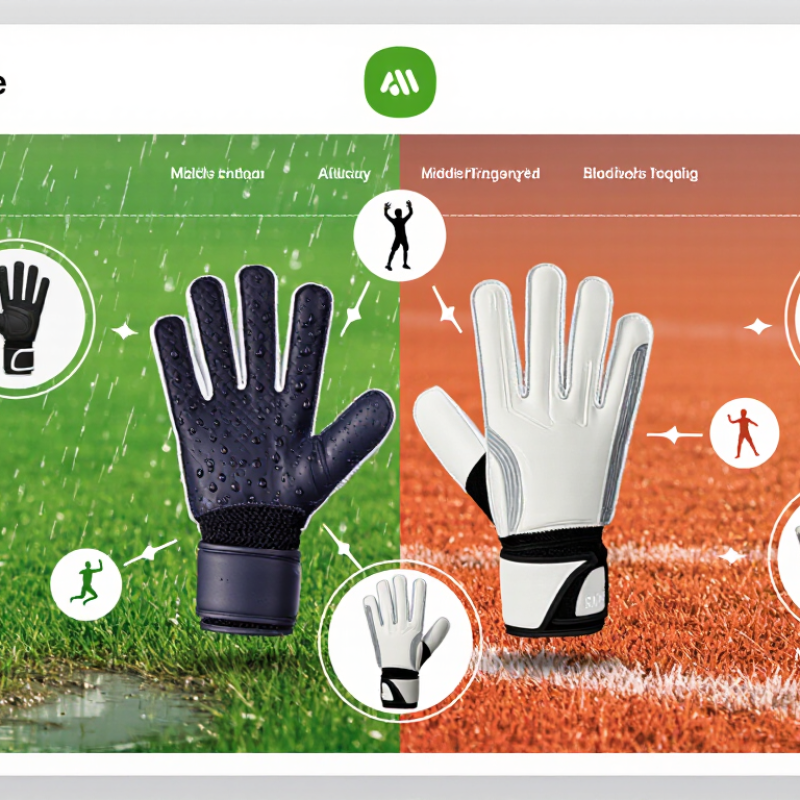
Matching glove features to playing conditions matters more than choosing the thickest foam. On dry natural grass, a goalkeeper can prioritize high-grip latex and a flexible backhand. In wet weather, use gloves with rain-ready latex and a deeper palm texture. The FIFA Quality Programme explains that water absorption can change football performance, so surface moisture also affects handling. Test the gloves before match day.

Hard artificial turf needs abrasion resistance. Look for reinforced stitching, durable side panels, and removable finger protection. These features may reduce flexibility slightly. That trade-off is often acceptable for training. On muddy pitches, a larger negative cut can improve ball contact, but it may feel tight after several minutes. Comfort still matters.

Heat changes the decision. The World Meteorological Organization reported that 2023 was the warmest year recorded, increasing the need for breathable materials and frequent glove changes. Cold conditions call for thicker foam and secure wrist closure. Gloves should not slide when hands are wet. Try them with a real ball, not only in a shop.

There is no perfect pair. I once overvalued grip and ignored durability. That mistake became expensive. A simple team test works better: compare grip, drying time, fit, and palm wear after two sessions. Record the results. Recheck them during your local season.

How to Choose the Best Goalkeeper Gloves for Your Team

Match glove features to the conditions your team faces most often. The chart uses a practical priority scale from 1 (low priority) to 5 (highest priority).

Wet pitches typically require stronger wet-grip latex, while artificial turf places greater emphasis on durability. Cold conditions benefit from additional thermal insulation, and frequent training sessions increase the value of abrasion resistance.

Choosing the Right Glove Fit, Cut, and Size for Every Goalkeeper

A goalkeeper glove should feel secure without squeezing the hand. In my experience, a snug fit gives better control during catches and punches. Leave a little room at each fingertip. Too much space can make the glove fold during a save. Too little space may restrict movement and create pressure on the nails. Measure the hand from the wrist crease to the longest fingertip, then compare that measurement with the manufacturer’s size chart. Hand width matters too.

The cut changes how the glove feels. A flat cut offers a roomy palm and suits keepers who prefer a traditional fit. A negative cut places the seams inside, creating closer contact and sharper finger control. A roll cut wraps latex around the fingers, which can help keepers who want a fuller contact surface. Hybrid cuts combine these features. They can work well, but their feel varies more than expected.

Latex thickness affects grip, comfort, and durability. Softer latex usually grips strongly but may wear faster on rough surfaces. Check the playing conditions before choosing. Wet weather often demands careful cleaning and gradual drying. Never place gloves on a radiator. They can crack.

Try gloves with the wrist strap tightened, not loose. Bend your fingers and make a catching shape. Do the fingertips touch the seams? If so, reconsider the size. I once favored a tighter fit, thinking it improved control, but numb fingers proved otherwise. The best choice may feel slightly unfamiliar at first. That is worth testing.

Comparing Grip, Protection, Durability, and Maintenance Needs

How to Choose the Best Goalkeeper Gloves for Your Team

Grip should match training conditions, not just showroom appeal. In wet weather, a softer latex palm can improve control but may wear faster. Firm ground often allows a denser palm with better durability. Test several gloves during catching drills. A ball should stay secure without forcing excessive hand tension. Fit matters too. Fingers should reach near the glove tips, while the wrist strap must feel stable.

Protection depends on playing style and confidence. Finger spines can reduce backward bending, especially for young or recovering goalkeepers. However, rigid support may limit natural movement. During team sessions, I have seen keepers lose touch because their gloves felt too restrictive. That choice was not perfect. Protection should support technique, not replace it. Check the backhand padding, finger flexibility, and closure strength before buying in bulk.

Durability comes from construction and care. Reinforced stitching helps around the thumb and palm edges, where repeated contact creates stress. After use, rinse gloves with clean, lukewarm water. Avoid harsh soap, radiators, and direct sunlight. Let them dry slowly with the palms facing upward. Small habits matter. Gloves kept in a damp equipment bag can develop unpleasant odors and lose performance. Inspect the latex regularly for thinning, cracks, or hardened areas. A more expensive glove may last longer, but only when the team maintains it consistently.

Building a Practical Glove Selection Plan Within Your Team’s Budget

How to Choose the Best Goalkeeper Gloves for Your Team

A practical glove plan starts with your team’s playing conditions, not flashy features. Wet pitches need reliable grip, while artificial surfaces demand stronger palm durability. Ask each goalkeeper about finger comfort, wrist support, and previous injuries. Their daily experience often reveals problems that specifications miss.

Set a clear budget per goalkeeper before shopping. Divide the money between match gloves, training gloves, and replacement pairs. Match gloves may need softer latex for handling, but training gloves should survive repeated contact with rough surfaces. Our first budget estimate was too optimistic. We forgot that growing players might need different sizes during the season. A small reserve fund prevents rushed purchases.

Tips: Measure hands in centimetres. Compare the result with each glove’s size guide. Check stitching around the fingers. Test wrist closures before buying several pairs. Record grip performance after wet sessions. Keep receipts and review the plan monthly.

Do not select every glove from one model. A goalkeeper who prefers a tighter fit may lose comfort late in matches. Another may need extra finger protection during training. Let players test gloves during catching drills, low dives, and wet-ball exercises. Coaches should record dropped balls, palm wear, and complaints after each session. This creates useful evidence, although it will not be perfectly objective. Replace gloves when grip or structure declines, not merely when they look dirty.

FAQS

How should playing conditions guide glove selection?

Choose high-grip latex and flexible backhand materials for dry natural grass. Wet pitches need rain-ready latex and deeper palm texture. Test them outdoors.

Which gloves suit hard artificial turf?

Choose reinforced stitching, durable side panels, and abrasion-resistant palms. Removable finger protection can help during repeated training contact. These features may reduce flexibility slightly.

What glove features help in cold weather?

Thicker foam can preserve cushioning when temperatures drop. A secure wrist closure prevents slipping when hands become wet. Try gloves with a real ball.

How should goalkeepers balance grip and durability?

Softer latex often improves wet-ball control but may wear faster. Denser palm materials usually last longer on firm surfaces. Grip is not everything.

How can a team check glove fit?

Measure each hand in centimetres and compare the glove size guide. Fingertips should reach near the glove ends. The wrist strap should feel stable, not painful.

Is finger protection always necessary?

Finger supports may reduce backward bending for young or recovering goalkeepers. Rigid protection can also restrict natural movement. Test catching and diving before buying several pairs.

How should goalkeeper gloves be cleaned and stored?

Rinse them with clean, lukewarm water after use. Avoid harsh soap, radiators, and direct sunlight. Dry them slowly with the palms facing upward. Damp bags cause odors.

How can a team create a practical glove budget?

Separate funds for match gloves, training gloves, and replacements. Keep a small reserve for growing players who need new sizes. Our early estimate was too optimistic.

When should gloves be replaced?

Replace gloves when grip, structure, or palm thickness declines. Inspect the thumb edges, finger seams, and latex for cracks. A dirty glove is not always worn out.

Conclusion

Choosing the best Goalkeeper Gloves for your team starts with understanding how different glove types serve different purposes, from match gloves designed for maximum grip to training gloves built for repeated use. Consider your team’s playing conditions, including grass or artificial surfaces, weather, and training intensity. Features such as latex quality, finger protection, ventilation, and wrist support should match the demands placed on each goalkeeper.

A secure fit is essential, so measure each player’s hand carefully and select the appropriate cut and size without restricting movement. Compare grip, protection, durability, and ease of maintenance to find the right balance for your team. Regular cleaning, proper drying, and careful storage can extend glove life and preserve performance. Finally, create a practical selection plan by prioritizing essential features, assigning different glove roles for matches and training, and setting a clear budget that supports consistent quality without unnecessary costs.

Charlotte

Charlotte

Charlotte is a dedicated marketing professional with a strong understanding of the company’s products, services, and industry landscape. With a thoughtful, research-driven approach, she creates clear and practical content that helps customers better understand product functions, applications, and......