
Choosing Professional Boxing Gloves in 2026 means matching protection to your training, not just picking a popular brand. A glove that feels soft in the shop may shift during a hard session. Start with the basics: intended use, hand size, fit, and the type of closure. Bag work, partner drills, and competition can call for different designs. There is no single glove that excels at everything.
Fit deserves a close check. With hand wraps on, your fingers should reach the glove’s end without feeling cramped, and your wrist should feel supported when you make a fist. Notice pressure across the knuckles. Too much can become distracting; too little may let your hand slide. Ask a qualified coach or experienced retailer to assess the fit if possible. Small details matter.
Padding density, glove weight, stitching, and closure quality also shape how a glove performs over time. Materials vary, and a higher price alone does not guarantee a better match. Check the manufacturer’s care guidance, inspect seams regularly, and let gloves dry fully after training. That simple habit often gets overlooked. Your hands can feel fine at first, yet discomfort may appear after repeated sessions. Keep that possibility in mind. This guide explains how to compare these features, recognize trade-offs, and choose confidently—while acknowledging that comfort is personal and sometimes takes a few honest tries to judge.
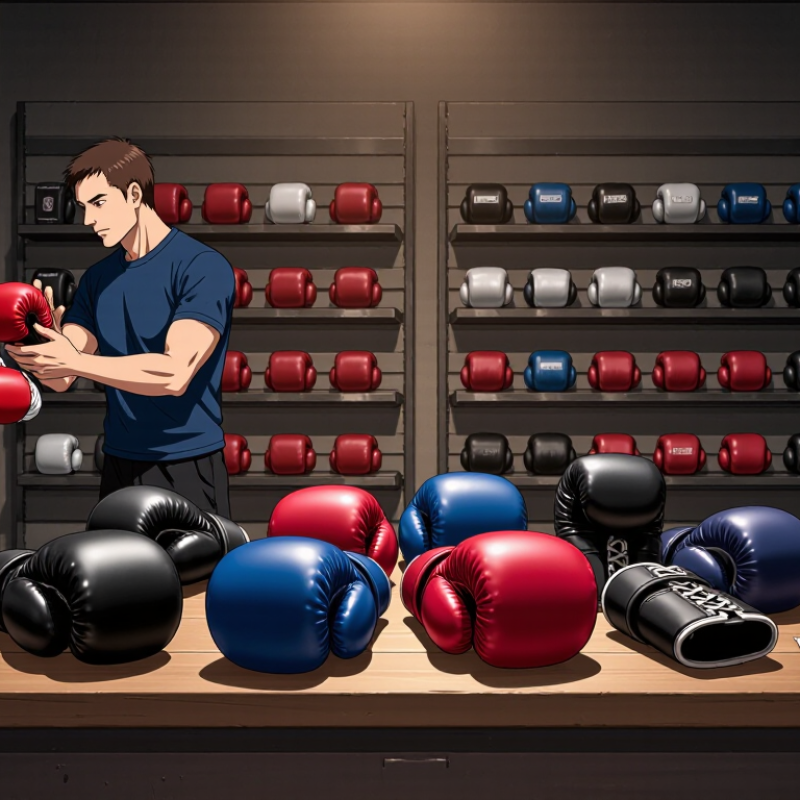
Choose gloves around the work you actually do, not the image of a fighter you hope to become. For bag rounds, prioritize secure wrist support and a snug fit; for partner drills, follow your gym’s sparring policy and use adequate padding. A glove that feels comfortable while shadowboxing may shift when you block a hook. Check the fit with hand wraps on. Too tight is a problem.
Your training mix matters. The Sports & Fitness Industry Association’s 2024 Topline Participation Report estimated that 6.7 million Americans took part in boxing for fitness in 2023, up 9.2% from the previous year. That broad participation figure includes varied training needs; it does not identify one ideal glove. If your sessions are mostly bag work, durability and wrist stability may matter most. If you spar regularly, ask your coach which weight and padding are appropriate. A heavier glove is not automatically safer.
Competition rules can differ by organization, event, weight class, and location. Check the current rulebook and ask the event organizer before buying gloves for a bout. Verify approved glove weight, construction, and inspection requirements. Do not assume training gloves qualify. A small mistake here can mean unusable equipment. Fit still deserves a real test: make a fist, touch your thumb to your fingers, and check for pressure across the knuckles. Sizing charts help, but they are imperfect.
Start with your boxing style, training needs, and competition rules. These commonly used glove-weight ranges are general guidance, not universal requirements.
Bag and pad work often uses 10–16 oz gloves; sparring commonly uses 14–16 oz or the weight required by your gym. Competition gloves are typically lighter, but the permitted weight depends on the sanctioning body, ruleset, and weight class. Always confirm requirements before buying.
Choose glove weight by training purpose, not body weight alone. Ounces describe the glove’s weight, not a standardized hand-size measurement. For heavy-bag work, a lighter glove can feel quicker; for partner drills, gyms often ask boxers to use heavier gloves for added padding. Follow your coach’s rules. Competition requirements differ: USA Boxing’s 2024 rulebook assigns 10- or 12-ounce gloves by division, with event rules taking precedence. That’s competition data, not a universal training chart.
Fit matters just as much. Wrap your hands, slide them into the gloves, and close your fists. Your fingertips should reach the glove’s end without curling, while the wrist strap should feel secure, not constricting. Check that your thumb rests naturally and your knuckles meet the padding evenly.
Too loose? Your hand may shift on impact. Too tight? The fit can become uncomfortable as your hands warm up.
Try both hands. They may fit differently. A size chart is only a starting point; hand shape and wrap thickness change the feel. Recheck the fit after a few minutes of movement, since a glove that feels fine in the shop can pinch during rounds.
Padding, materials, wrist support, and construction all affect how boxing gloves feel during training. Choose padding for your main use: denser foam can feel firm on the bag, while more forgiving padding may suit longer sessions. Padding should spread impact without making your fingers feel cramped. Try gloves with hand wraps, since wraps change the fit. Fit matters. Your fingertips should reach the glove’s end without pressing hard against it.
Materials influence comfort and upkeep. Leather often softens with use, but it needs airflow and careful drying after sweaty sessions. Synthetic materials can be easier to wipe clean, though their feel and durability vary by construction. Check wrist support while making a fist. A secure closure should hold the wrist steady without pinching or limiting movement. Inspect stitching, seams, and the thumb attachment; loose threads or rough edges can become irritating. Small details matter.
Tips: Try both gloves, wrap your hands, and open and close your fists. Compare support and comfort, not just weight. If a glove feels awkward, do not assume it will break in perfectly. I have found that fit can be easy to misjudge in a quick shop try-on.
How to Choose Professional Boxing Gloves in 2026?
Check Fit, Comfort, Safety, and Rule Compliance
Fit the gloves over the hand wraps you plan to wear. Your fingertips should reach the glove’s end without pressing hard, and your wrapped fist should close naturally. The wrist should feel supported, not pinched. Too loose? The hand can shift inside. Too tight? Your fingers may feel numb or cramped. A quick fitting is imperfect, so move your hands and keep the gloves on for several minutes.
Comfort is practical, not just soft padding. Check for rubbing near the thumb, knuckles, and wrist seam. Open and close your hands; then hold a relaxed guard. Notice heat and pressure. Small annoyances matter. Inspect stitching and padding for uneven spots, and make sure the closure stays secure during movement. Gloves can reduce impact exposure, but they cannot prevent every hand or head injury.
Choose weight and construction for the activity: bag work, sparring, and competition may call for different gloves. Rules vary by event and governing body, so confirm the required weight, design, and approval before buying for a bout. Ask your coach or event organizer when details are unclear. Don’t guess. A glove that feels ideal in training may not meet competition requirements, and fit should still be rechecked with your wraps.
How to Choose Professional Boxing Gloves in 2026?
Durability depends on more than thick padding. Check the stitching around the thumb, wrist, and palm, where repeated impact creates stress. A snug, even feel matters; lumps or shifting foam can signal uneven construction. Grand View Research estimated the global boxing equipment market at about US$1.2 billion in 2023, with projected growth through 2030. That market estimate reflects sales, not glove lifespan, so treat it as context—not proof of quality. A clean-looking glove can still hide compressed padding.
Tips: After training, open the wrist straps and air gloves in a ventilated spot. Wipe the lining with a dry cloth; avoid sealing damp gloves in a gym bag. Follow the maker’s care instructions, since harsh cleaners may damage materials. Small details matter.
For overall value, compare the warranty, repair options, and expected training frequency—not just the checkout price. A durable pair used several times weekly may cost less per session than a cheaper pair that loses support early. Feel the glove with hand wraps on, and test wrist stability with controlled punches. Not perfect. Fit and wear vary by hand shape, climate, and care, so reassess the padding regularly.
Match them to your actual sessions. Bag work needs stable wrist support, while partner drills need suitable padding. Image matters less.
No. Ounces describe glove weight, not hand size. Follow your coach’s guidance for training, since heavier gloves are not automatically safer.
Put on your hand wraps, then try both gloves. Make a fist and touch your thumb to your fingers. Your fingertips should reach the glove’s end without pressure.
The closure should hold your wrist steady without pinching or limiting movement. Too loose? Your hand may shift when you punch.
Yes. Denser foam may feel firm on a heavy bag, while softer padding can suit longer sessions. Your knuckles should meet the padding evenly.
Not necessarily. Leather may soften with use but needs airflow and careful drying. Synthetic materials can be easier to wipe clean, though durability varies.
Don’t assume they qualify. Check the current event rules for approved weight, construction, and inspection requirements before buying.
Check the seams, stitching, thumb attachment, and closure. Try moving your hands for a few minutes. Fit can be easy to misjudge.
Choosing Professional Boxing Gloves in 2026 starts with understanding your boxing style, training routine, and the rules of any competitions you plan to enter. Different activities may call for different glove designs, so consider whether you need gloves mainly for bag work, partner training, or competition. Select a weight and size suited to your intended use, while checking the relevant requirements for your training or event.
Next, compare padding, materials, wrist support, and construction to find a balance of protection, comfort, and control. Try the gloves on with your usual hand wraps and check that they fit securely without uncomfortable pressure or restricted movement. Look for reliable stitching and materials that suit how often you train, and consider how easy the gloves are to clean and care for. A thoughtful comparison of fit, safety, durability, and overall value can help you choose gloves that meet your needs over time.