
Sialkot, Pakistan — OEM & private-label sports goods manufacturing · EU partner desk in Monterotondo, Italy · FOB · CIF · DDP door-to-door export
0%

Choosing MMA Sparring Gloves is not a minor equipment decision. The right pair protects training partners, supports clean technique, and survives repeated impact. A loose wrist, cramped thumb, or poorly padded knuckle can change every round.

Industry research shows why this category deserves closer attention. Research and Markets’ MMA Equipment Global Market Report 2024 identifies rising participation, gym-based training, and equipment replacement as major market drivers. Grand View Research also reports continued growth in the broader sports equipment market, supported by fitness participation and combat-sport interest. These reports describe market direction, not proof that every expensive glove performs better.

Real training experience matters more. A glove should feel secure during a tight guard, yet remain flexible during clinch work. Its padding must absorb contact without becoming bulky. Ventilation matters when sweat fills the palm after five rounds. Small details become obvious under bright gym lights.

John Kavanagh, a respected MMA coach, often teaches, “Win or learn.” That principle applies to glove selection. Sparring is for development, not reckless punishment. Proper equipment supports that purpose, but it cannot replace controlled partners, coaching, or sensible intensity.

This guide compares ten MMA Sparring Gloves using fit, wrist support, padding, durability, ventilation, and value. The ranking is not perfect. Hand shape, training style, and gym rules can change the result. Consider these differences before buying.
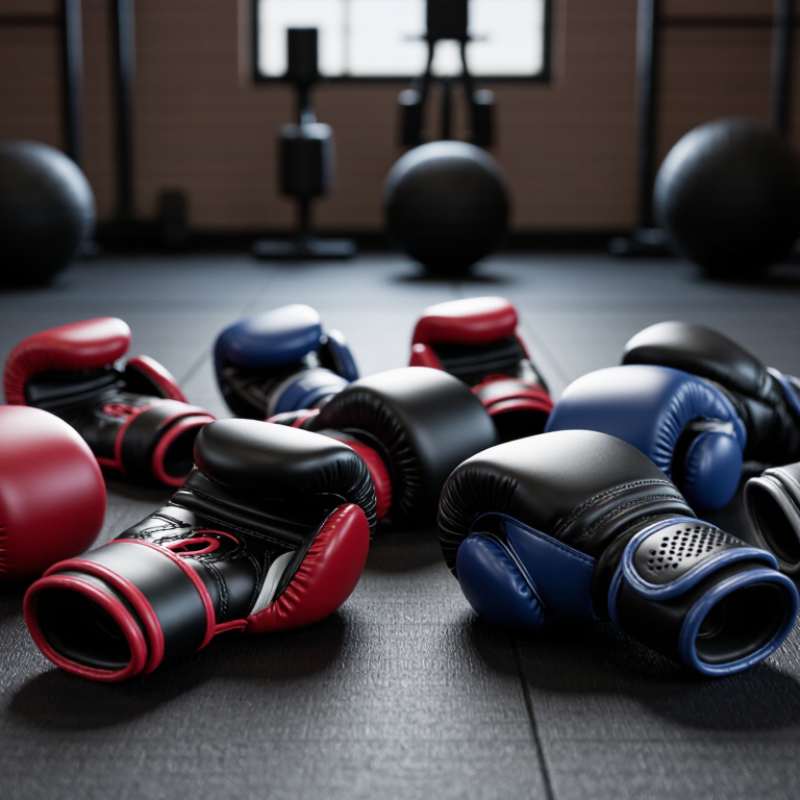
10 Best MMA Sparring Gloves for Training

What MMA Sparring Gloves Are and How They Differ from Other Gloves

10 Best MMA Sparring Gloves for Training

MMA sparring gloves are designed for controlled training, not maximum impact or competition scoring. They usually have more padding than fight gloves, especially across the knuckles. Many also provide finger separation for clinching, framing, and light grappling drills. A secure wrist closure matters because loose gloves can shift during punches. In a coached session, I check the fit by making a fist and touching the glove to my forearm. It should feel firm, not restrictive.

Boxing gloves typically use one rounded padded compartment, which protects the hand during repeated punches. MMA sparring gloves expose the fingers, so they allow more movement but offer less coverage. Grappling gloves are often thinner and more flexible. That flexibility can reduce protection during striking rounds. Fight gloves are lighter still, and their compact padding is not a sensible choice for regular hard sparring. More freedom does not always mean better training.

Good sparring gloves should balance hand protection, wrist support, ventilation, and enough space for natural finger movement. The padding should not bottom out when the glove meets a heavy bag. Check the stitching after each session. Small tears grow quickly. A glove can feel comfortable for ten minutes, then become painful during repeated hooks. I sometimes prefer slightly bulkier padding, although it can make clinching feel awkward. That compromise is easy to underestimate. Proper hand wraps remain important, because gloves cannot correct poor punching mechanics or an unstable wrist.

Key Features to Consider When Choosing MMA Sparring Gloves

10 Best MMA Sparring Gloves for Training: Key Features to Consider

Choosing among the 10 best MMA sparring gloves starts with protection, not appearance. Sparring gloves should absorb impact while keeping the hand stable during punches, clinches, and ground drills. A 2019 review in the British Journal of Sports Medicine reported MMA injury rates ranging from 9.2 to 23.6 injuries per 100 athlete-exposures. Concussion rates also varied widely. The data supports careful equipment selection, although gloves cannot prevent every injury.

Look for dense, multi-layered padding over the knuckles. It should feel firm, but not like a brick. A wide wrist strap can reduce unwanted movement during impact. Check whether the thumb sits naturally and whether the finger openings allow controlled grappling. Poor alignment may cause hot spots across the palm. That small discomfort matters.

Fit is personal.

Measure your hand circumference, then test the gloves with hand wraps. The fingers should bend without pressing against the inner seams. The closure must stay secure during repeated drills. A 2023 consensus statement from the Association of Ringside Physicians emphasizes proper coaching, protective equipment, and medical oversight in combat-sport training.

Ventilation also deserves attention. Moisture trapped inside can weaken materials and irritate skin. I once focused too heavily on padding and ignored wrist mobility; that choice made defensive drills awkward. Recheck the fit after several sessions, because padding can compress and straps can loosen. Scrap any glove that develops hard lumps, torn seams, or shifting padding.

The 10 Best MMA Sparring Gloves for Training

The 10 Best MMA Sparring Gloves for Training

The 10 best MMA sparring gloves for training should balance hand protection, wrist support, and realistic grappling movement. In coaching sessions, I look for dense padding over the knuckles and flexible fingers. Fit comes first. A loose glove can shift during a collar tie or ground exchange. The wrist strap should feel secure without restricting circulation. The Association of Ringside Physicians’ consensus guidance emphasizes proper equipment fit and controlled sparring intensity. That makes glove selection a training decision, not a fashion choice.

A useful shortlist includes gloves with reinforced stitching, breathable palm panels, and padding that does not collapse after repeated rounds. A 2022 systematic review in the British Journal of Sports Medicine reported that combat-sport injury findings vary widely between studies, partly because training intensity and equipment differ. That limitation matters. More padding may reduce impact, but it can also make punches feel safer than they are. I once preferred a heavily padded model, then noticed slower hand transitions during grappling drills. My mistake was judging comfort too early. Check thumb positioning, finger separation, and wrist alignment after three-minute rounds. Ten minutes of movement reveals more than a showroom fitting. Reserve one pair for hard sessions, if possible. Dry the gloves fully after every workout. Even excellent construction cannot compensate for poor maintenance.

How to Compare Glove Fit, Protection, Materials, and Price

Choosing MMA sparring gloves starts with fit, not appearance. Your fingers should rest naturally inside the glove, without curling tightly. A secure wrist strap should prevent movement during punches and clinch drills. Leave no painful pressure across the knuckles. Small differences matter.

The Association of Boxing Commissions permits competition gloves commonly weighing four to six ounces, but training gloves need broader protection. A 2014 systematic review in the British Journal of Sports Medicine reported 228.7 injuries per 1,000 athlete-exposures in professional MMA. That figure does not prove gloves prevent injuries, but it supports choosing padding for repeated practice. Look for dense, layered foam over the knuckles and enough thumb coverage. Sparring partners feel that difference.

Materials affect comfort and maintenance. Leather usually develops a softer hand feel, while synthetic materials often cost less and resist moisture reasonably well. Check stitching, foam recovery, and wrist closure after several sessions. Price alone is unreliable. A costly glove may still fit poorly. I would test hand wraps inside the glove before buying, because sizing charts can mislead. After training, air the gloves completely; trapped sweat damages materials and creates an unpleasant training surface. Some guidance feels obvious, yet many athletes skip it. Even experienced users sometimes choose protection that is too compact for hard sparring. My own comparison would score fit, wrist stability, padding thickness, ventilation, and replacement cost separately, rather than trusting one overall rating.

Proper Use, Care, and Replacement of MMA Sparring Gloves

Choosing among the 10 best MMA sparring gloves matters, but daily use matters more. The Association of Ringside Physicians’ consensus guidance links safer training to controlled intensity, suitable equipment, and regular inspection. Gloves should fit tightly around the wrist without cutting circulation. Your knuckles must sit flat inside the padding. If your thumb twists outward, the fit is wrong.

Use separate hand wraps every session. They absorb sweat and reduce friction around the knuckles. After training, wipe the gloves with a slightly damp cloth. Leave them fully open in a ventilated room. Never seal damp gloves inside a gym bag.

Heat can harden foam and weaken adhesives. I once ignored a sour smell because the padding looked fine. That was careless.

Replacement should follow condition, not a calendar. Replace gloves when the foam stays compressed, seams open, wrist support bends, or the striking surface develops hard spots. A glove can look clean while losing shock absorption.

The Centers for Disease Control and Prevention notes that concussion symptoms may appear hours or days after impact, so dizziness, confusion, headache, or unusual sensitivity needs medical attention.

MMA-specific injury databases remain limited, as noted in sports medicine reviews, which makes consistent gym records valuable. Record glove age, training hours, visible damage, and any unusual discomfort.

Some athletes replace too late. Others replace too early. Check the evidence, not just the smell.

FAQS

What matters most when choosing MMA sparring gloves?

Protection and fit matter more than appearance. Choose layered knuckle padding and a stable wrist closure. Gloves cannot prevent every injury.

How should MMA sparring gloves fit?

Your fingers should bend naturally without pressing against inner seams. Test them with hand wraps. Small pressure points become painful during long drills.

Why are hand wraps important when testing gloves?

Hand wraps change the required space inside the glove. They support the hand and reveal whether the glove feels too tight.

What type of padding is suitable for sparring?

Look for dense, multi-layered foam over the knuckles. It should feel firm, not brick-like. Broader padding can make repeated practice more comfortable for partners.

How can I check wrist support?

Use a wide strap that stays secure during punches and clinches. The glove should not slide or twist. Recheck the closure after several sessions.

Should the thumb and finger openings feel tight?

No. The thumb should rest naturally, while finger openings should allow controlled grappling. Poor alignment can create hot spots across the palm.

Which materials are practical for training gloves?

Leather often develops a softer feel. Synthetic materials may cost less and handle moisture reasonably well. Either material needs careful drying after training.

How important is ventilation?

Very important. Trapped sweat can irritate skin and weaken materials. Air the gloves completely instead of leaving them inside a closed gym bag.

Does a higher price guarantee better sparring gloves?

No. A costly glove can still fit poorly. Compare fit, wrist stability, padding, ventilation, and replacement cost separately.

When should sparring gloves be replaced?

Replace gloves with hard lumps, torn seams, or shifting padding. Also inspect loose straps and compressed foam. I once focused on padding and overlooked wrist mobility; that made defensive drills awkward.

Conclusion

MMA Sparring Gloves are designed specifically for controlled training, combining enough padding to protect the hands and training partner while preserving the flexibility needed for grappling, clinching, and striking. Unlike boxing or competition gloves, they usually have lighter, more compact padding and an open-finger design, allowing better movement and grip. When choosing a pair, consider padding distribution, wrist support, hand compartment shape, closure system, ventilation, stitching, materials, and overall durability.

This guide reviews 10 of the best MMA Sparring Gloves for training based on comfort, protection, fit, construction, and value. It explains how to compare gloves according to hand size, intended training intensity, material quality, price, and personal preferences. It also provides practical advice on wearing gloves correctly, using hand wraps, cleaning and drying them after practice, and checking for worn padding, damaged seams, or weakened wrist support. Replacing gloves at the right time helps maintain safe, comfortable, and effective training sessions.

Amelia

Amelia

Amelia is a highly skilled marketing professional with a strong understanding of the company’s products, customers, and evolving market needs. Through her extensive experience, she transforms complex product information into clear, practical, and engaging content that helps readers make informed......